Tools for High-Performing Teams
Build a better world with a better team
-
Talent Retention: How Performance Management Systems Help Organizations Keep Top Talent
Losing a top performer costs more than most organizations realize. When skilled employees leave, companies don’t just lose the person they lose institutional knowledge, client relationships, and team morale. The cost of replacing a single high-performing employee can exceed 150-200% of their annual salary when factoring in recruitment, onboarding, and lost productivity. Talent retention has […]
-
Management by Objectives (MBO): A Complete Guide to Performance Management Systems

Performance management represents one of the most critical yet often misaligned functions in modern organizations. Many traditional approaches fail to establish a meaningful connection between individual effort and organizational strategy. Management by Objectives (MBO) bridges this gap through a structured, results-driven framework that transforms how organizations approach performance management systems. Originally developed by Peter Drucker […]
-
Improving Performance Management Systems: Key Areas of Improvement to Boost Organizational Success
Performance management systems have become mission-critical infrastructure for organizations operating in regulated industries. Despite significant investments in technology, most companies struggle with fragmented, ineffective performance management solutions that fail to drive meaningful improvement in organizational success. In pharmaceutical, medical device, healthcare, and manufacturing sectors, a performance management system isn’t simply an HR tool—it’s a compliance […]
-
Operations Management Examples: Real-World Use Cases and How Performance Management Systems Improve Results
Operations management defines organizational success. Whether your business manufactures physical products, delivers services, or manages complex supply chains, the efficiency of your operations directly determines profitability, customer satisfaction, and competitive advantage. Yet despite widespread recognition of operations management’s importance, many organizations struggle to optimize their operational processes. Outdated systems create blind spots. Disconnected workflows hide […]
-
How Automated Workflow Transforms Modern Performance Management Systems
AWhen HR teams spend 40% of their time chasing managers for overdue evaluations and manually consolidating feedback, something fundamental is broken. Yet this is the reality in most organizations still relying on manual performance management processes. Traditional performance review cycles take 8-12 weeks to complete, feedback arrives months after critical performance events, and compliance documentation […]
-
Goal Setting Strategies That Drive High Performance: How Modern Performance Management Systems Make Them Work
Traditional goal setting, where managers assign objectives once a year and revisit them 12 months later, no longer aligns with modern performance expectations, employee behavior, or business realities. Organizations worldwide struggle with a persistent paradox: employees set goals, yet many fail to achieve them. The disconnect isn’t lack of effort it’s lack of infrastructure. Without […]
-
Best Project Management Tools: A Complete Guide to Boosting Team Performance and Workflow Efficiency
In today’s fast-paced business environment, managing projects effectively requires more than spreadsheets and email chains. Project management tools have become essential for organizations seeking to boost team performance and enhance workflow efficiency. These platforms provide centralized spaces where teams collaborate, track progress, and deliver results consistently. Project management tools serve as the backbone of modern […]
-
Business Process Management Software: How BPM Enhances Modern Performance Management Systems
Organizations manage thousands of repeated processes every day hiring, onboarding, performance reviews. Approvals, compliance tasks, project handoffs, and feedback cycles. Without a unified framework to manage these interconnected workflows, companies face inefficiencies, delays, poor data visibility, and inconsistent performance outcomes. Business process management software addresses this fundamental challenge by replacing fragmented manual work with structured, […]
-
Staffing in Management: A Complete Guide to Building High-Performing Teams Through Performance Management Systems
Staffing in management plays a vital role in shaping organizational success, growth, and long-term performance. It extends far beyond traditional hiring—modern staffing in management encompasses workforce planning, skill alignment, performance evaluation, and continuous development. The most successful organizations recognize that staffing in management must be inseparably connected to performance management systems. When staffing in management […]
-
Corporate Social Responsibility
Capacity Planning: The Strategic Foundation of Modern Performance Management Systems
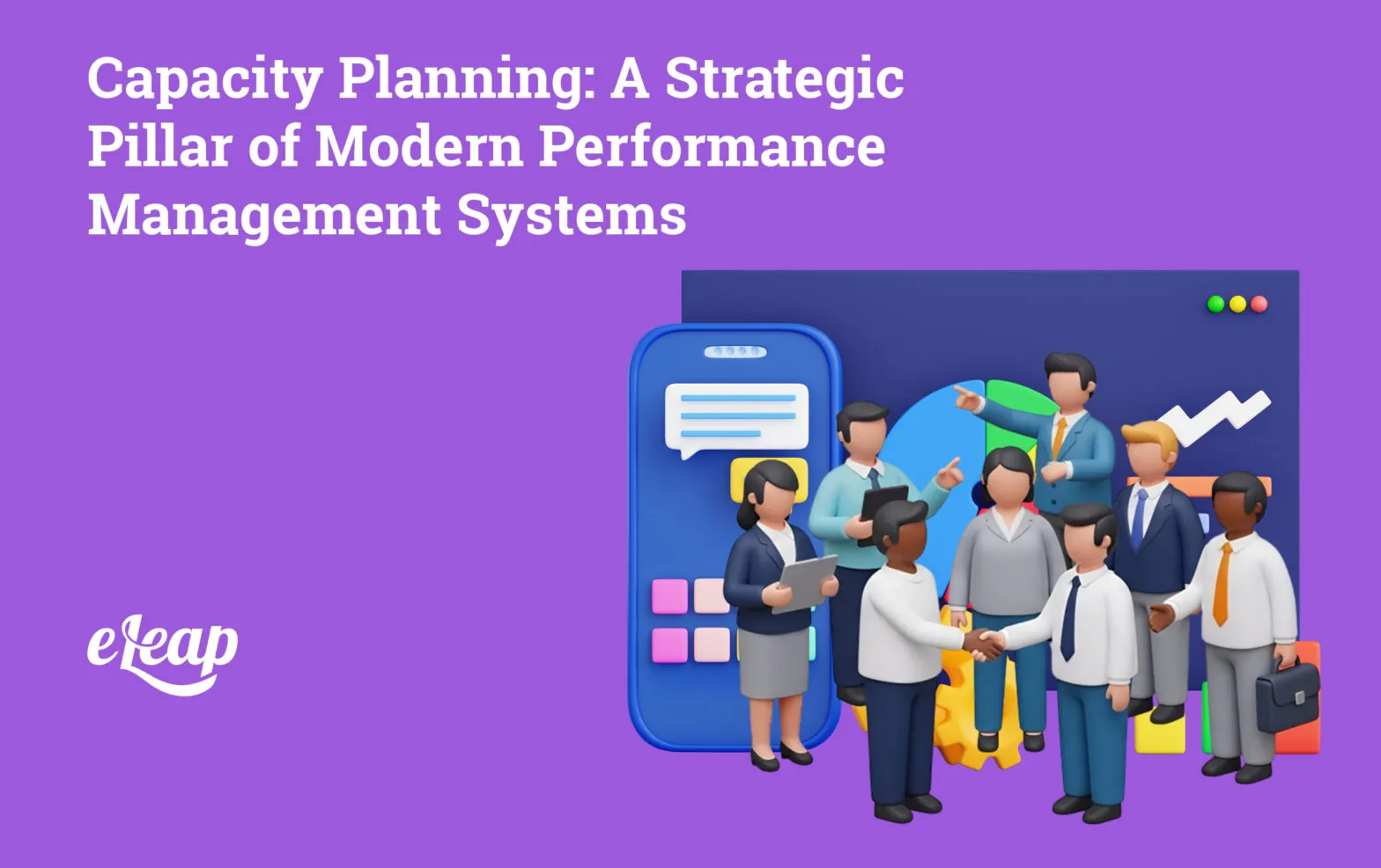
Capacity planning has become one of the most important strategic components for organizations committed to achieving sustainable performance, maximizing employee productivity, and maintaining a high-functioning workplace. As businesses grow and demands change, leaders must ensure they have the right people with the right skills available at the right time. Without structured capacity planning, teams quickly […]
-
Customer Acquisition Strategies Powered by Performance Management Systems
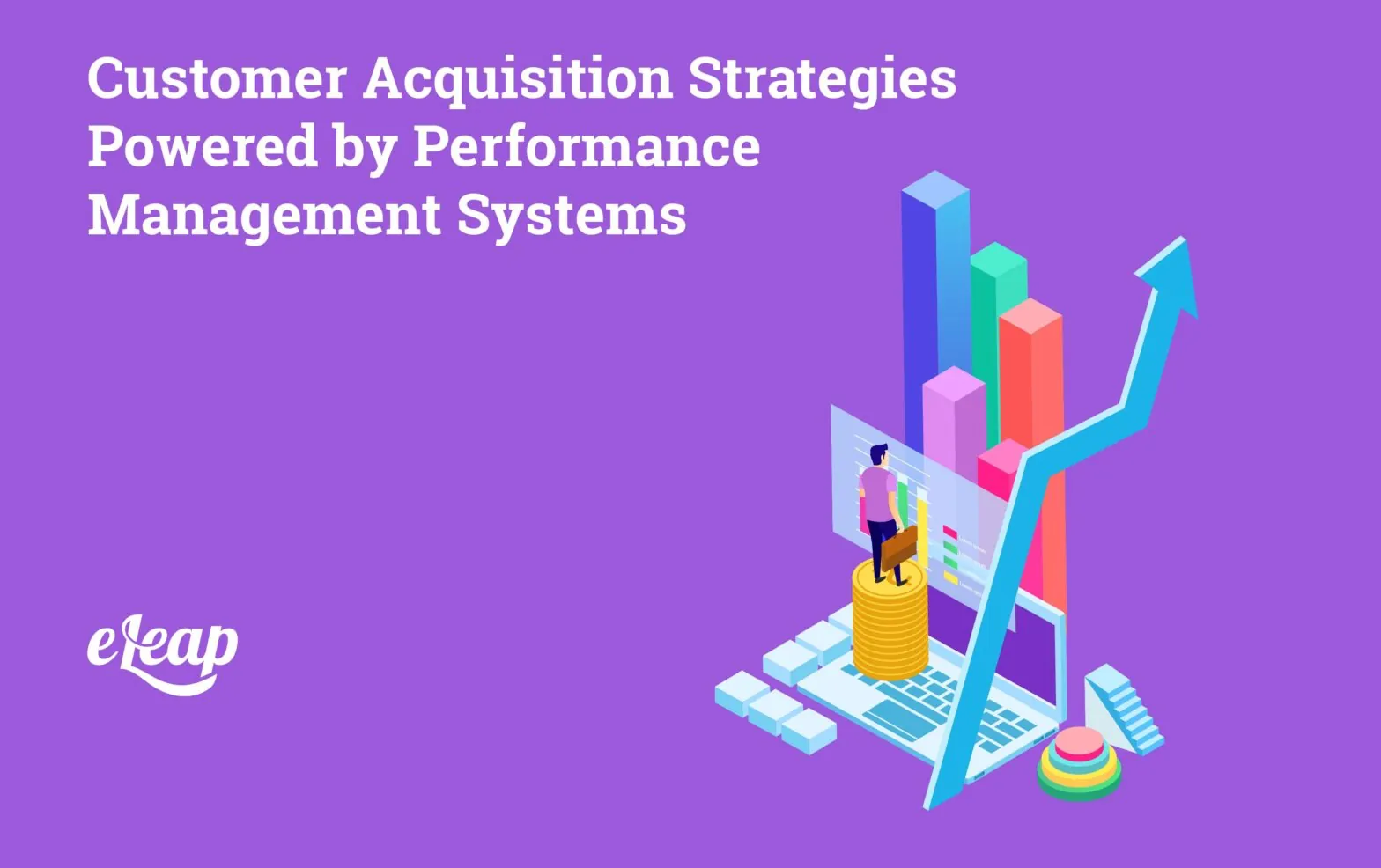
Customer acquisition remains the lifeblood of organizational growth, yet most businesses miss a critical connection: the direct relationship between internal employee performance and external customer acquisition success. While marketing teams focus on campaigns and sales teams work conversion funnels, organizations often overlook that customer acquisition outcomes depend equally on how well-aligned, motivated, and competent employees […]
-
Operational Planning: A Complete Guide to Strengthening Your Performance Management System
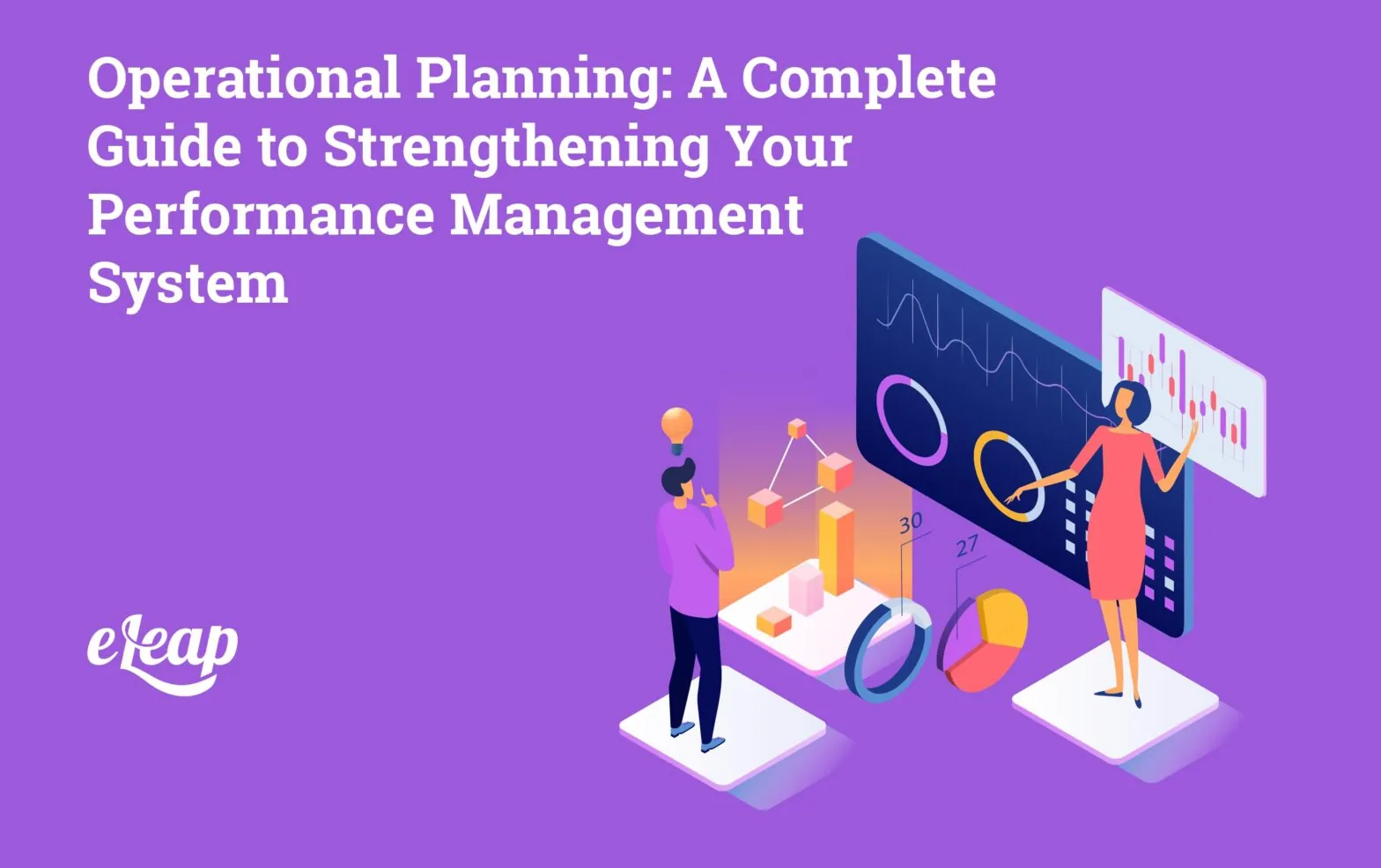
Operational planning bridges the gap between strategic objectives and daily execution. For organizations in regulated industries—pharmaceutical manufacturers, medical device companies, life sciences organizations, GMP facilities, and FDA-regulated environments—operational planning is the mechanism through which compliance requirements, quality standards, and performance expectations converge into measurable action. The challenge is straightforward: strategic plans often remain theoretical without […]


Search articles by...
Find your way around our blog by searching using a keyword or a group of keywords or by choosing a tag.