Teamwork: The Complete Guide to Building High-Performing Teams with a Performance Management System in 2026

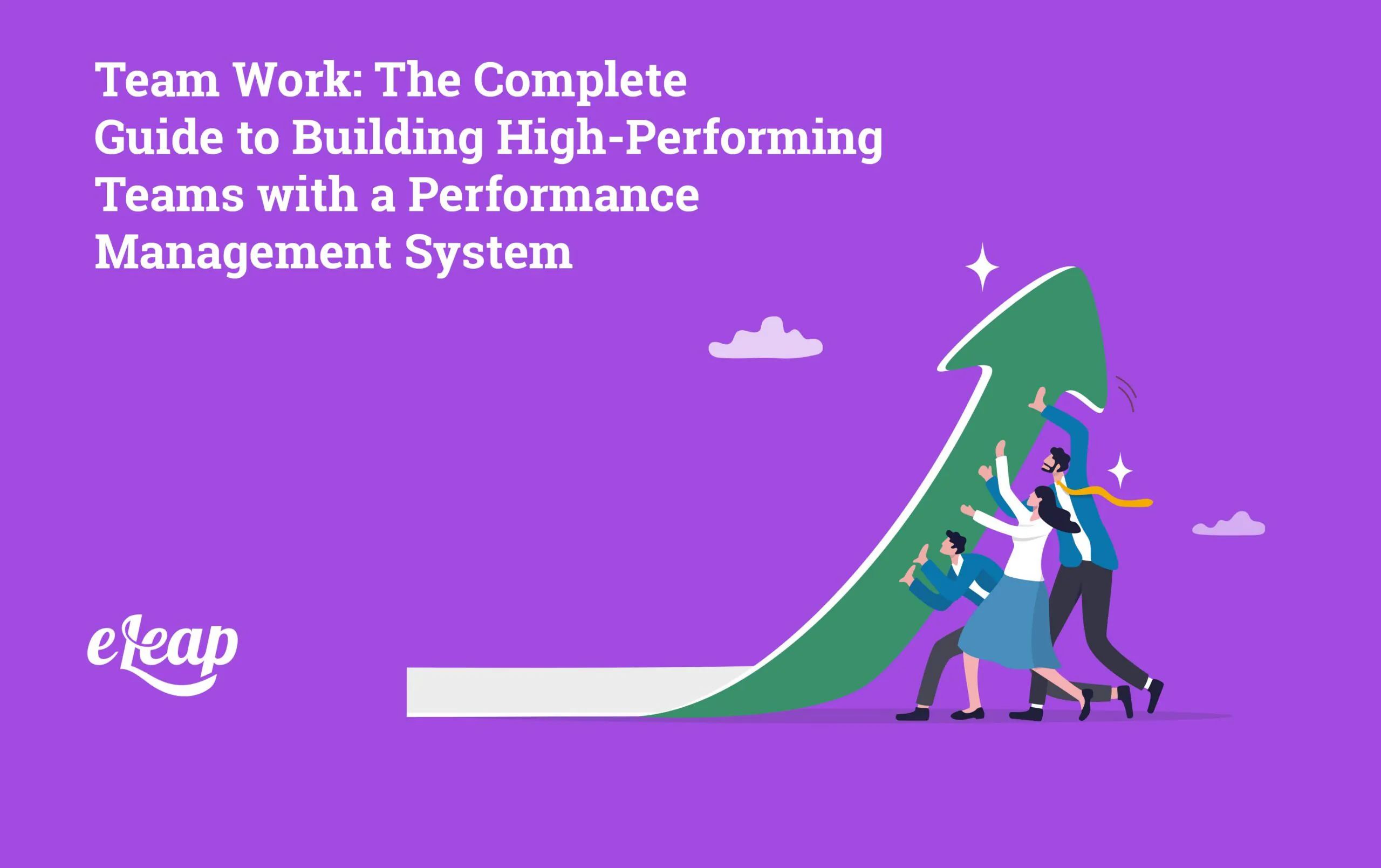
Teamwork used to live in the “soft skills” column of every job posting. Not anymore. In 2026, organizations treat collaboration as a measurable business capability, and leaders no longer ask if teams get along they ask how well teams perform together, backed by real numbers.
This shift didn’t happen overnight. Annual evaluations once ruled performance conversations, with managers filling out a form once a year and moving on, missing the daily friction points that actually shape results. Today, companies replace those stale reviews with continuous team performance management, where feedback flows weekly instead of annually. A modern Performance Management System sits at the center of this change, giving managers a structured way to track collaboration, accountability, and outcomes together. This guide covers what teamwork means today, why it matters for performance outcomes, and how the right system measures it with practical metrics, common pitfalls, and strategies to apply this quarter.
What Is Teamwork?
Teamwork means people combining distinct skills toward one shared outcome. It differs from simply working near each other or sharing a project folder two employees can sit in the same meeting and still fail at teamwork if their goals don’t align.
The Society for Human Resource Management (SHRM) and the Chartered Institute of Personnel and Development (CIPD) both frame teamwork around shared accountability: individuals contribute their part, but the group owns the final result together. Picture a marketing team launching a product page. One person writes copy, another builds the design, and a third handles the technical setup. Working together looks easy on paper, but working toward a shared outcome requires constant coordination between all three.
Effective teams show consistent traits. They communicate without waiting for a scheduled meeting, they share credit and share blame, and they adjust roles when workloads shift unexpectedly. Teamwork matters in every department, not just customer-facing ones finance teams need it to close books accurately, engineering teams need it to ship features without breaking existing systems, and HR teams need it to roll out policies that actually get followed.
Why Teamwork Matters in Modern Performance Management
Collaboration and organizational performance connect more tightly than most leaders assume. Gallup’s employee engagement research consistently links strong team dynamics to higher retention and productivity, and Gallup separately reports that companies with high engagement see notably greater profitability than those with low engagement. Teams that trust each other produce better work, and they do it faster.
Employee engagement rises when people feel their contributions matter to a larger group, while isolated workers often disengage within months. Decision-making speeds up inside collaborative teams too, since trust lets people skip the political maneuvering that slows down approvals. Innovation follows a similar pattern Deloitte’s workplace research has repeatedly shown that collaborative cultures out-innovate siloed ones, since diverse input catches blind spots that one person working alone would miss.
Customer satisfaction benefits indirectly but significantly, since teams that communicate well internally rarely drop the ball with external clients. Workplace conflict also drops as teamwork improves, because most office conflict stems from unclear expectations rather than personality clashes, and clear roles resolve most disputes before they escalate.
How a Performance Management System Improves Teamwork
Spreadsheets and subjective evaluations are used to run performance reviews everywhere. Managers guessed at contribution levels, employees pushed back when the numbers felt unfair, and neither side had reliable data.
A Performance Management System changes that dynamic completely. It aligns goals across departments, so nobody works toward a target that contradicts a teammate’s target, and it prevents the quiet sabotage that happens when priorities clash. Continuous feedback replaces the once-a-year surprise review, so employees hear how they’re doing every week or month instead of every twelve months, and small course corrections beat major end-of-year confrontations.
Shared accountability becomes visible instead of assumed the system shows who committed to what, and whether they delivered, so nobody can quietly coast while teammates carry extra weight. Performance visibility extends to leadership too, since executives see team-level trends instead of only individual scorecards, which helps them spot struggling teams before performance drops become a crisis. Manager coaching improves because managers finally have real data to coach with, pointing to specific missed handoffs instead of vague feedback like “communicate better.” Recognition programs tie directly into the system as well, reinforcing the exact behaviors leadership wants repeated, and team performance analytics pull all of this together into one dashboard, surfacing patterns spreadsheets could never reveal.
The Role of Performance Management Software in Building Stronger Teams
Performance Management Software gives managers tools that go beyond basic goal tracking. Modern platforms include collaboration dashboards, continuous check-ins, and AI-assisted insights, and each piece supports a different stage of the employee lifecycle.
Goal tracking sits at the foundation managers set objectives, break them into milestones, and watch progress updates automatically without chasing a status update through email. Collaboration dashboards show how often team members interact on shared work, and low interaction on a supposedly collaborative project signals a problem worth investigating immediately. Continuous check-ins replace the dreaded annual review meeting; a quick fifteen-minute conversation every two weeks catches issues while they’re still small.
Competency management maps skills against role requirements across the whole team, making gaps visible so training plans follow logically from the data. Peer feedback and 360-degree review tools add a dimension that manager-only reviews miss entirely, since teammates often notice contributions a manager sitting one level removed simply doesn’t see. AI-assisted insights flag patterns humans might overlook, like an engagement score that has quietly dropped for three months, and recognition workflows let managers celebrate wins the moment they happen rather than months later.
Consider a real workflow: a new hire joins a product team, and the software tracks onboarding milestones, schedules automatic check-ins, and surfaces peer feedback after thirty days. By month three, the manager has a full picture without lifting a finger to compile it.
Essential Characteristics of High-Performing Teams
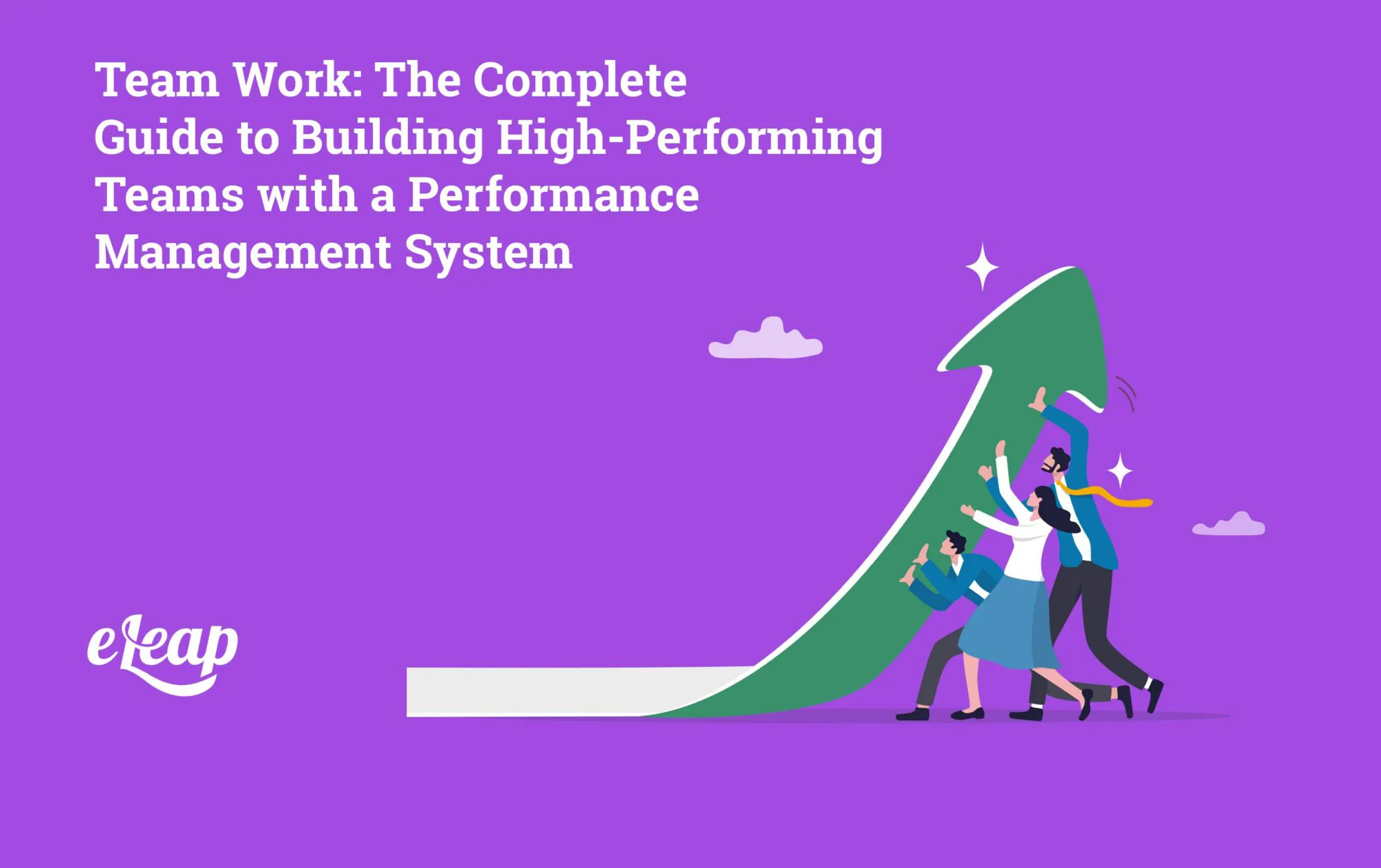
Clear goals connect shared objectives to business priorities, so everyone knows exactly why their work matters. Defined responsibilities require clear ownership over specific outcomes when responsibilities blur, tasks fall through the cracks, and nobody notices until it’s too late.
Open communication builds trust faster than any team-building exercise, and active listening matters just as much as speaking up. Mutual trust depends on psychological safety, a concept researcher Amy Edmondson has studied extensively people need to feel safe raising concerns without fear of punishment. Continuous learning, through coaching, knowledge sharing, and skills development, keeps teams sharp over time; Patrick Lencioni’s research on team dysfunction points repeatedly to skill stagnation as a silent performance killer.
Teamwork Skills Every Employee Should Develop
Communication tops the list and shows up in every measurable outcome, since employees who communicate clearly reduce project delays significantly. Collaboration follows closely, determining how smoothly cross-functional work flows. Accountability keeps individuals honest about their commitments, adaptability lets team members handle shifting priorities without losing momentum, and conflict resolution stops small disagreements from turning into lasting resentment.
Emotional intelligence helps people read situations correctly before reacting poorly, problem-solving turns obstacles into manageable steps, and decision-making under pressure separates strong contributors from average ones. A salesperson with strong conflict resolution skills retains difficult clients longer, and an engineer with strong adaptability handles scope changes without missing deadlines.
How Managers Can Measure Teamwork Effectively
Measuring only individual performance creates an incomplete, sometimes misleading picture. A star performer surrounded by a dysfunctional team often can’t sustain results, so team-level metrics fill in that missing context.
Key indicators worth tracking include team goal completion rate, project success rate, and cross-functional collaboration frequency, which show whether departments actually work together or just claim to. Peer feedback scores reveal reputation within the team itself, employee engagement ties directly into team output over time, and productivity trends show whether performance improves or stagnates across a quarter. Knowledge sharing frequency indicates whether expertise stays trapped with one person, customer satisfaction scores connect back to internal team function more than most leaders realize, and meeting commitments, tracked over months, reveal reliability patterns nobody would catch manually.
Team Work Metrics Every Performance Management System Should Track
Operational metrics include goal achievement rates, project completion timelines, and task ownership clarity, which prevents work from silently slipping between people. Employee metrics cover engagement scores, collaboration frequency, and learning participation rates.
Leadership metrics track coaching session frequency, feedback quality which matters more than feedback quantity and recognition frequency. Business metrics connect customer retention and revenue contribution to how well internal teams actually function, alongside innovation outcomes that show whether a collaborative culture produces tangible new ideas.
Common Teamwork Challenges That Affect Performance
Poor communication remains the single biggest barrier to team success, as messages get lost and misunderstandings pile up quickly. Unclear expectations compound the problem, leaving people guessing what “done” actually means, while limited accountability lets underperformance hide in plain sight because nobody wants to call out a teammate directly.
Department silos block information from flowing where it’s needed, and inconsistent feedback confuses employees about where they stand when one manager praises a behavior another criticizes. Low trust makes people guard information instead of sharing it freely. Remote collaboration issues add another layer of difficulty, since time zone gaps delay decisions that used to happen instantly in person, and resistance to change slows down adoption of better tools and processes. Left unaddressed, each of these challenges compounds and becomes much harder to fix later.
Practical Strategies to Improve Teamwork
Set shared objectives that connect individual tasks to team-wide goals, and encourage continuous feedback instead of saving comments for a formal review cycle. Use team-based performance reviews alongside individual ones for a fuller picture, and recognize collaborative success publicly rather than only individual achievement privately.
Strengthen cross-department communication through regular syncs instead of occasional emails, and schedule regular performance conversations even short fifteen-minute ones every two weeks. Invest in skills development consistently, not just during onboarding, and use data to guide team decisions instead of relying purely on instinct. These strategies work best when applied together, and managers can implement most of them immediately without waiting for a bigger budget approval.
Teamwork in Hybrid and Remote Work Environments
Maintaining accountability remotely requires more structure than in-office work ever did. Virtual collaboration tools help, but they don’t replace clear expectations, and digital communication norms need explicit agreement rather than silent assumption.
Performance visibility matters even more when managers can’t simply walk by a desk. Building trust remotely takes intentional effort, since casual hallway conversations don’t happen naturally, and managing distributed teams across time zones adds real scheduling complexity. Microsoft’s Work Trend research has tracked a consistent rise in meeting overload since remote work became standard; teams that manage this well protect focus time deliberately and default to asynchronous updates instead of scheduling another call. Current workplace trends point toward hybrid models becoming permanent rather than temporary, and companies that invest in remote-friendly teamwork practices now will stay ahead of competitors still catching up.
The Role of AI in Teamwork and Performance Management
AI-powered performance insights now flag issues that would otherwise stay buried in spreadsheets. Predictive analytics can forecast which teams risk missing quarterly goals weeks in advance, giving managers time to intervene, while personalized coaching recommendations adjust based on each employee’s actual work patterns.
Automated feedback reminders keep managers consistent even during busy weeks, goal alignment recommendations catch conflicting priorities before they cause friction, and collaboration analytics reveal interaction patterns across large teams instantly something a manager overseeing thirty people simply can’t track manually. AI brings real benefits, but it carries limitations too. Algorithms can misread context, especially in nuanced interpersonal situations, and human judgment still matters most for sensitive conversations like performance improvement plans. AI works best as a support tool, not a replacement for managerial judgment.
Team Work Performance Review Examples
A project collaboration evaluation might highlight how a team shipped a product launch on schedule despite mid-project scope changes, adjusting roles fluidly without dropping any deliverables. A cross-functional contribution assessment could credit a finance analyst who supported a marketing campaign with budget modeling, work outside their formal job description.
A leadership collaboration review might note that a team lead mediated a conflict between two departments before it escalated, preventing a two-week project delay. A peer feedback summary aggregates independent praise from multiple teammates for instance, several people noting one member’s responsiveness during a crunch period into one clear performance signal. A team goal achievement evaluation traces a sales team’s quarterly win back to specific collaborative behaviors, like coordinated account handoffs, rather than luck.
Team Work Best Practices for Managers
- Define measurable team objectives that everyone understands clearly.
- Hold regular one-on-one discussions, even when things seem fine.
- Promote transparent communication across every level of the team.
- Encourage shared ownership instead of assigning blame to individuals.
- Measure team outcomes consistently, not just during formal review cycles.
- Recognize collaborative achievements publicly and specifically.
- Support continuous learning through training budgets and mentorship time.
- Review performance data regularly, not just once a quarter.
Common Mistakes Organizations Should Avoid
Measuring only individual performance overlooks how much collaboration drives results, and ignoring collaboration metrics leaves managers blind to real team dynamics. Depending solely on annual reviews misses months of valuable context, and rewarding internal competition often backfires by pitting teammates against each other unnecessarily.
Providing inconsistent feedback confuses employees about actual expectations, and setting vague team goals guarantees uneven effort across the group. Overlooking cross-functional contributions undervalues people who support other teams quietly, and failing to recognize team achievements demotivates people faster than almost anything else. Avoiding these mistakes takes discipline, but the payoff shows up in retention and output.
Frequently Asked Questions
What is teamwork in performance management?
It refers to evaluating how well groups collaborate toward shared goals, not just individual output.
Why is teamwork important for employee performance?
Strong collaboration boosts engagement, speeds up decisions, and improves overall business results significantly.
How do managers evaluate teamwork?
Managers use KPIs like goal completion rates, peer feedback scores, and collaboration frequency.
Which KPIs measure team performance?
Common ones include project success rate, engagement scores, and cross-functional collaboration frequency.
How does Performance Management Software improve collaboration?
It centralizes goals, feedback, and recognition, giving managers real-time visibility into team dynamics.
What are examples of effective teamwork goals?
Examples include reducing project handoff delays or increasing cross-department knowledge-sharing rates.
How can organizations improve team accountability?
Clear role definitions, regular check-ins, and transparent tracking all strengthen accountability significantly.
What is the difference between individual and team performance?
Individual performance measures personal output, while team performance measures shared outcomes and collaboration quality.
Conclusion
Successful organizations measure teamwork as carefully as they measure individual performance. That balance separates companies that merely function from companies that genuinely thrive, and a modern Performance Management System turns collaboration into something leadership can actually track and improve.
Performance Management Software makes continuous feedback practical instead of aspirational. It strengthens accountability and supports data-driven decisions across every department, bringing goal tracking, peer feedback, and analytics together under one system. eLeaP’s approach connects learning and performance under one umbrella, since skills development and team output rarely improve in isolation, giving organizations visibility into both individual growth and collaborative results at once.
Treat teamwork as an ongoing strategy, not a one-time initiative. The organizations that commit to this approach will see it reflected in productivity, employee growth, and long-term business success, and a connected performance management platform makes that commitment measurable, sustainable, and easier to act on every day.