Inbound Marketing for People Management Platforms: Attract, Engage, and Retain Top Talent

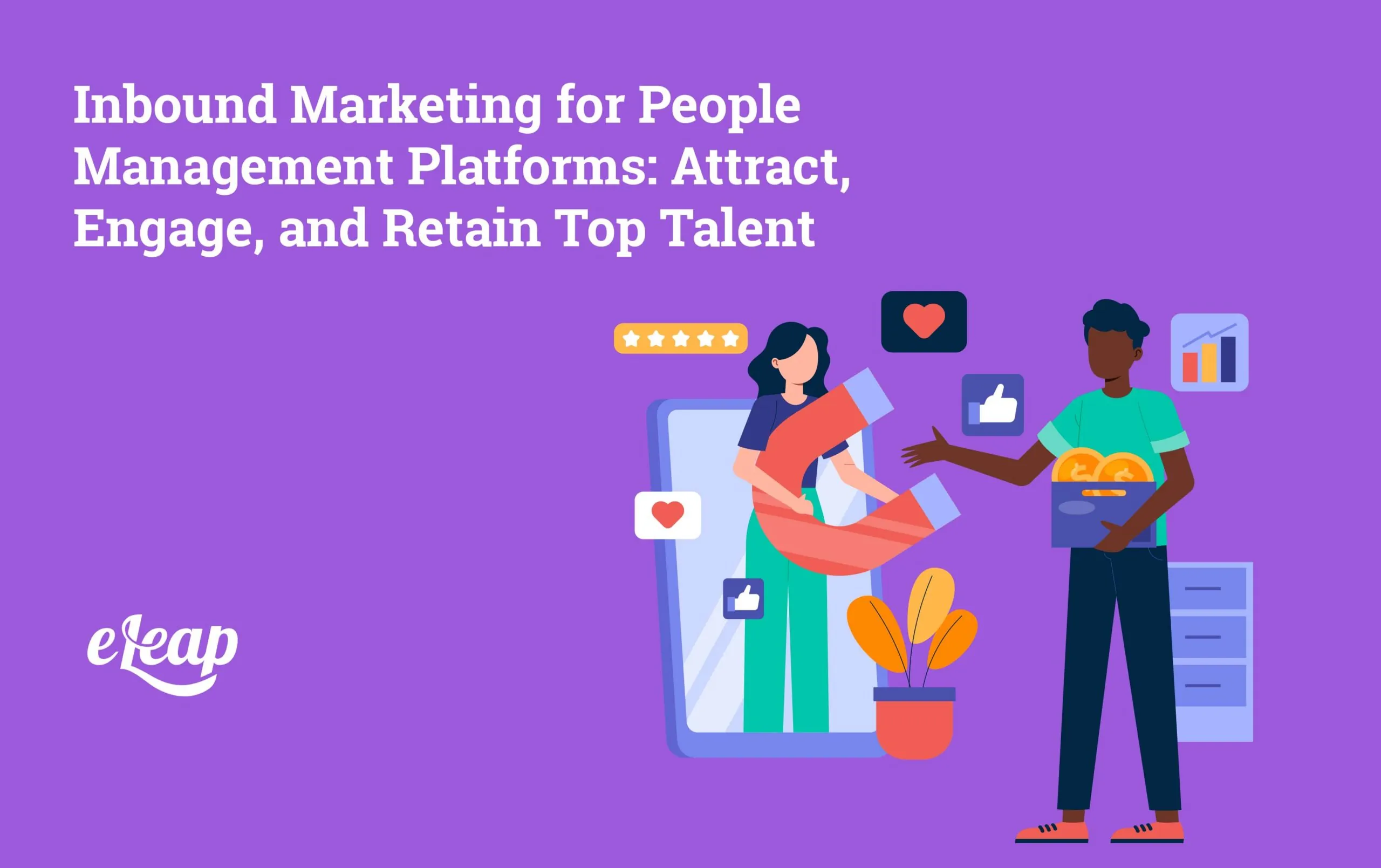
People Management Platforms are discovering that inbound marketing principles can transform how organizations attract top talent, engage employees, and retain high performers. Unlike traditional outbound tactics that push messages outward, inbound marketing for people management platforms focuses on creating value, building trust, and fostering genuine connections throughout the entire employee lifecycle. See how eLeaP®’s Performance Management Platform helps you apply these insights to drive better results.
Research demonstrates the power of inbound marketing strategies: businesses that prioritize inbound approaches generate 54% more leads than those relying solely on outbound efforts, achieving these results at 62% lower cost. These benefits translate seamlessly to HR and people management, where cost-effective, high-impact inbound marketing strategies address talent shortages, retention challenges, and employee engagement gaps.
Understanding Inbound Marketing in People Management Context
Inbound marketing for people management platforms involves creating compelling content and experiences tailored to your ideal candidates’ and employees’ needs. This methodology prioritizes attracting people through valuable content rather than interrupting them with intrusive messages. The traditional inbound marketing framework of “Attract, Engage, Delight” becomes equally powerful when applied to people management.
The inbound marketing approach transforms how people management platforms operate across three core pillars:
Attract → Strong employer branding through authentic content such as culture blogs, employee testimonials, and behind-the-scenes videos that naturally draw qualified candidates to your organization.
Engage → Clear, personalized communication via people management platforms to connect employees with relevant learning materials, onboarding support, and career development pathways that maintain interest throughout their journey.
Delight → Sustained engagement through recognition systems, feedback mechanisms, and transparent performance management that creates lasting relationships and encourages employee advocacy.
When organizations apply inbound marketing strategies to HR, they essentially reframe their workforce as their most important audience. The customer journey becomes the employee journey, and inbound marketing provides a structured methodology to improve every touchpoint.
Attract: Strategic Content Marketing for Talent Acquisition
The attract phase of inbound marketing for people management platforms focuses on creating discoverable content that resonates with your target talent pool. Content marketing serves as the foundation, enabling organizations to showcase expertise while providing genuine value to potential candidates.
Building Thought Leadership Through Employee-Driven Content
Publishing thought leadership blogs, employee success stories, and articles about workplace culture serves dual purposes as recruitment and engagement content. Prospective candidates see authenticity and transparency, while current employees feel recognized and valued. This inbound marketing approach establishes your people management platform as a trusted resource in the talent marketplace.
Video content proves particularly effective for inbound marketing in HR contexts. From onboarding tutorials to leadership webinars, video content increases engagement and accessibility. Interactive formats like career quizzes or skills assessments create two-way communication opportunities that are critical for sustained engagement.
SEO Optimization for Recruitment Success
Search engine optimization amplifies inbound marketing efforts by ensuring content reaches job seekers actively searching for career opportunities. Optimizing job descriptions, career pages, and blog content with relevant long-tail keywords helps people management platforms attract organic traffic from qualified candidates.
Long-tail keywords such as “best onboarding platform for employees” or “inbound recruiting strategies” ensure company resources become discoverable by candidates and employees searching online. Local SEO becomes particularly important for organizations targeting talent in specific geographic regions.
Social Media Advocacy and Employee Branding
Social media platforms serve as powerful inbound marketing channels for people management platforms. LinkedIn offers unparalleled opportunities to engage professional audiences through thought leadership content, employee spotlights, and industry discussions.
Encouraging employees to share culture content on platforms like LinkedIn strengthens employer branding and boosts inbound marketing visibility. Employee advocacy programs transform current employees into authentic brand ambassadors, amplifying reach through credible endorsements that resonate with potential candidates.
Engage: Converting Interest into Long-term Relationships
The engage phase focuses on converting attracted visitors into qualified job applicants and maintaining ongoing relationships with current employees. This stage requires sophisticated lead nurturing strategies that guide potential candidates through the application process while keeping existing employees connected and motivated.
Personalized Communication Through People Management Platforms
People management platforms enable clear, personalized communication that connects employees with relevant resources based on their specific needs and career goals. Instead of generic HR communications, segmented email campaigns deliver personalized updates about training opportunities, policy changes, and career development paths.
Email marketing automation allows people management platforms to deliver targeted content based on candidate interests, experience levels, and career aspirations. Regular newsletters featuring employee success stories, company updates, and industry insights maintain engagement while reinforcing employer brand messaging.
Landing Page Optimization and Lead Magnets
Creating dedicated landing pages for different talent segments improves conversion rates and enhances the candidate experience. These pages should align with specific inbound marketing campaigns while providing clear pathways to relevant job opportunities or talent community membership.
Offering valuable resources in exchange for contact information helps people management platforms build relationships with potential candidates before specific openings arise. Career guides, salary benchmarking reports, and professional development resources serve as effective lead magnets that demonstrate organizational commitment to employee growth.
Interactive Content and Two-Way Communication
Interactive formats like quizzes, career development assessments, and skills evaluations create meaningful two-way communication opportunities. These inbound marketing tools provide value to candidates while gathering insights about their interests and qualifications.
Webinars and virtual events offer opportunities to demonstrate thought leadership while directly engaging with potential candidates. These inbound marketing tactics allow people management platforms to build relationships with talent before recruitment needs arise, creating a pipeline of interested candidates.
Delight: Retention-Focused Inbound Marketing Strategies
Retention-focused inbound marketing extends beyond the hiring process to encompass employee advocacy and long-term engagement strategies. This approach transforms current employees into brand ambassadors while maintaining relationships with passive candidates for future opportunities.
Employee Advocacy and Recognition Programs
Empowering employees to share experiences and promote your organization amplifies inbound marketing reach authentically. Employee-generated content, including social media posts, blog contributions, and video testimonials, provides credible endorsements that resonate with potential candidates.
Recognition programs that celebrate employee achievements and contributions encourage ongoing participation in advocacy efforts. These inbound marketing initiatives create positive employee experiences that translate into organic referrals and improved employer branding.
Continuous Learning and Development Content
Developing content specifically for current employees demonstrates organizational commitment to professional development while encouraging retention. Internal newsletters, professional development resources, and career advancement guides show investment in employee growth.
This retention-focused inbound marketing approach reduces turnover costs while creating positive employee experiences that generate word-of-mouth referrals and strengthen employer reputation in the talent market.
Building Talent Communities
Creating online communities where current employees, alumni, and potential candidates interact fosters long-term relationships that benefit ongoing recruitment efforts. These communities serve as valuable inbound marketing channels where organic conversations about your organization occur naturally.
Regular community events, both virtual and in-person, strengthen relationships while providing opportunities for direct engagement with potential candidates in relaxed, non-recruitment settings.
Measuring Inbound Marketing Success in People Management
Tracking the right metrics ensures inbound marketing strategies deliver measurable results for talent acquisition and retention goals. Key performance indicators should align with specific stages of the candidate and employee journey while demonstrating overall return on investment.
Essential Metrics for HR Inbound Marketing
Website traffic from organic search, social media, and direct sources indicates the reach of inbound marketing content. Time spent on career pages and job postings suggests content quality and candidate engagement levels.
Key metrics to track include:
- Employee engagement scores through surveys and pulse checks
- Onboarding completion rates indicating transition effectiveness
- Application-to-hire conversion rates tracking recruitment success
- Training engagement and completion measuring resource value
- Retention and turnover as core indicators of employee satisfaction
Email open rates, click-through rates, and conversion rates from marketing campaigns to job applications provide insights into message effectiveness and audience engagement. Social media engagement metrics, including shares, comments, and follower growth, demonstrate brand awareness and content resonance.
ROI Calculation and Performance Optimization
Calculating cost per hire through inbound marketing channels compared to traditional recruitment methods demonstrates financial impact. Quality of hire metrics, including retention rates and performance scores of candidates acquired through inbound marketing, indicate long-term success.
Research shows inbound marketing efforts can double conversion rates, and when applied to employee journeys, this translates to smoother onboarding, higher retention, and reduced attrition costs. People management platforms enable HR leaders to collect and analyze these metrics in real-time, making inbound marketing campaigns more agile and responsive.
Current Trends in Inbound Marketing for People Management Platforms
The evolution of inbound marketing continues to impact how organizations manage people. Staying ahead of emerging trends ensures HR leaders maximize the benefits of their people management platform investments.
AI-Powered Personalization and Automation
Using artificial intelligence within people management platforms enables delivery of customized learning paths, performance feedback, and communication campaigns. Personalized experiences increase engagement dramatically while reducing administrative burden on HR teams.
Automated campaign sequences ensure consistent delivery of relevant content while maintaining the personal touch that characterizes effective inbound marketing strategies.
Ungated Content and Immediate Access
Modern employees expect free, immediate access to resources without barriers. Removing friction from training materials and communication builds trust while demonstrating organizational commitment to transparency and employee development.
This trend toward ungated content aligns with inbound marketing principles of providing value before seeking commitment.
Video and Multimedia Dominance
Short-form videos, webinars, and interactive dashboards increasingly dominate onboarding, training, and leadership communication. Video content enhances accessibility while accommodating different learning preferences and attention spans.
Voice Search and Conversational Tools
Employees increasingly use conversational search interfaces and chatbots to find resources quickly. Optimizing HR content for voice search and implementing conversational tools improves user experience while reducing barriers to information access.
Privacy-First Strategies
Data transparency and ethical handling of employee information defines trust in inbound marketing for people management. Organizations must balance personalization with privacy protection while maintaining compliance with data protection regulations.
How People Management Platforms Power Inbound Marketing Success
While inbound marketing principles prove powerful, executing them effectively requires robust technology infrastructure. People management platforms serve as the backbone of inbound HR initiatives, enabling organizations to design, deliver, and measure employee-first strategies at scale.
Centralized Communication and Content Management
People management platforms streamline message delivery, ensuring employees receive relevant information at optimal times. Centralized content management enables consistent messaging while supporting personalized delivery based on employee roles, interests, and career stages.
Analytics and Performance Tracking
Real-time analytics dashboards show engagement, retention, and performance outcomes across all inbound marketing initiatives. These insights enable continuous optimization of content, timing, and delivery methods to maximize impact.
Scalable Personalization Through Technology
AI tools within people management platforms ensure every employee receives relevant resources without overwhelming HR teams with manual personalization tasks. Automated workflows trigger appropriate content delivery based on employee actions, preferences, and development needs.
Integration Capabilities
Modern people management platforms integrate with existing HR technology stacks, including applicant tracking systems, human resource information systems, and email marketing platforms. These integrations create seamless candidate and employee experiences while providing comprehensive journey tracking.
Best Practices for Implementation
Successful implementation of inbound marketing for people management platforms requires consistent execution across multiple channels while maintaining authentic, value-driven messaging throughout all communications.
Content Strategy Development
Developing comprehensive content calendars ensures regular publication while maintaining quality and consistency. Editorial guidelines help maintain brand voice and messaging alignment across all inbound marketing initiatives.
Cross-functional collaboration between HR, marketing, and communications teams ensures aligned messaging while maximizing resource efficiency and avoiding duplicated efforts.
Technology Integration and Optimization
Investing in marketing automation tools streamlines campaign execution while enabling personalization at scale. Integration between people management platforms and marketing tools provides comprehensive candidate journey tracking and improved user experiences.
Regular strategy reviews allow for optimization based on performance data and changing market conditions, ensuring inbound marketing efforts remain effective and relevant.
Real-World Applications and Case Studies
Organizations across industries demonstrate the effectiveness of inbound marketing principles when applied to people management platforms and HR initiatives.
Companies implementing inbound marketing strategies for employer branding see significant improvements in talent acquisition metrics. Research shows organizations with strong employer brands attract 50% more qualified applicants and experience 28% reduction in turnover rates.
Advanced organizations leverage inbound marketing campaigns that increase organic traffic by over 400% and generate leads at 255% higher rates than traditional approaches. When applied to HR contexts, these same principles produce similar improvements in candidate quality and employee engagement.
The integration of inbound marketing principles with people management platform capabilities creates sustainable competitive advantages in talent acquisition and retention while reducing overall recruitment and training costs.
Conclusion: The Future of People-First Marketing
Inbound marketing represents a fundamental shift from traditional recruitment and employee management approaches toward strategies that prioritize employee experience and value creation. People management platforms enable organizations to implement these strategies at scale while maintaining personalization and authenticity.
Organizations embracing inbound marketing principles through comprehensive people management platforms position themselves competitively in the evolving talent landscape. The focus on attracting, engaging, and delighting employees creates sustainable pipelines of qualified candidates while fostering workplace cultures that support long-term retention and performance.
Success with inbound marketing for people management platforms requires commitment to providing genuine value throughout the employee lifecycle. By leveraging technology to deliver personalized, relevant experiences at every touchpoint, organizations can build lasting relationships with top talent while achieving their strategic HR objectives more effectively than traditional approaches allow.
The future belongs to organizations that recognize employees as their most important audience and invest in inbound marketing strategies that reflect this understanding through their people management platform implementations.